
Cao Cao's Family and the Next Generation
The Romance of the Three KingdomsThis flow traces how Cao Cao’s sons inherit a powerful but unstable political legacy, and how succession turns family rivalry into state violence.
increasing Bearing strength in each event
 decreasing
Bearing strength in each eventdecreasingThe Heir Apparent Debate
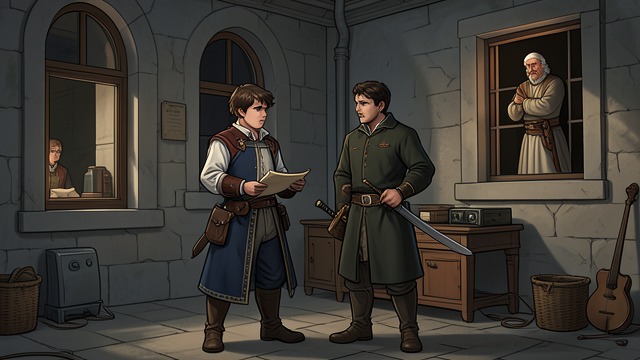
Rival Models of Succession
Cao Zhi’s Talent
Cao Zhi earns admiration through poetry and scholarship, while Cao Pi builds alliances and presents himself as dutiful and politically reliable.
A Father’s Choice
Cao Cao gradually favors Cao Pi. The choice gives the Wei court a designated heir but leaves resentment among the brothers.
Cao Pi Takes the Throne
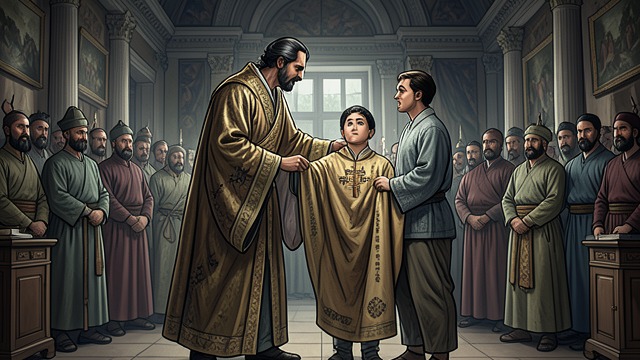
A Son Secures Power
The Abdication
Cao Pi forces Emperor Xian to abdicate and becomes emperor of Wei, converting his father’s dominance into a dynasty.
Brothers Managed
Cao Zhang approaches with an army but submits after Jia Kui challenges his intentions. The new emperor demonstrates that family loyalty will not take precedence over control.
Cao Zhi’s Literary Trial
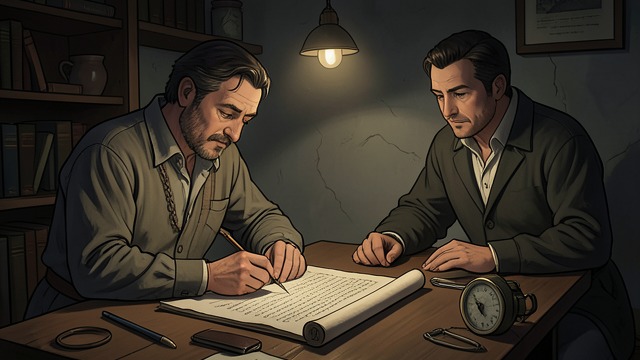
A Poet Faces His Brother
A Test of Obedience
Cao Pi forces Cao Zhi to compose poetry under threat of death, turning literary skill into a demonstration of political submission.
A Conditional Mercy
Cao Zhi’s poems move Cao Pi, who spares him but strips him of rank. Art preserves his life without restoring his place in the family’s succession.
Cao Rui’s Inheritance
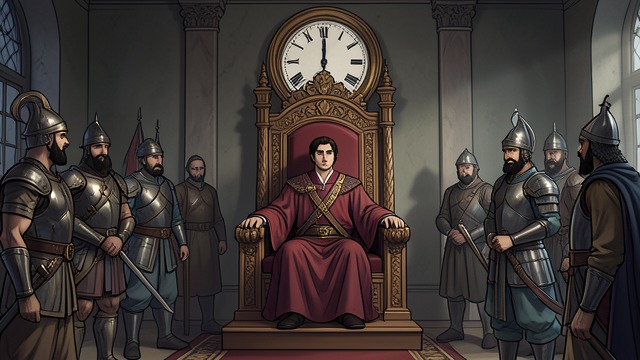
A Young Emperor Inherits Wei
Cao Pi’s Death
Cao Rui succeeds his father while still young. Cao Pi’s advisers warn that political continuity requires guardianship and careful management.
An Expanding Court
Cao Rui inherits the kingdom but also the pressures of court factions, military threats, and the Sima family’s growing influence.
Cao Huan’s Abdication
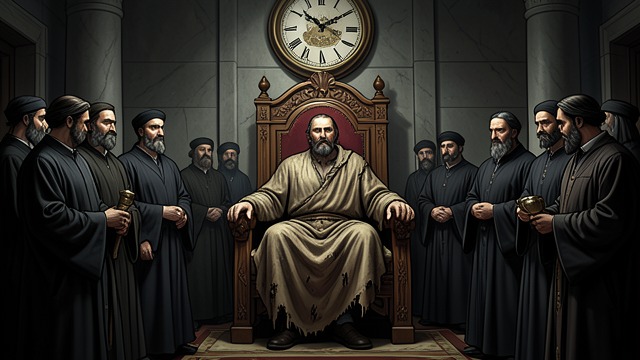
The Last Cao Emperor
A Puppet’s Position
Cao Huan rules as the Sima family controls the court. He cannot prevent the political transfer that has been building for years.
The Dynasty Ends
Sima Yan forces him to abdicate and establishes Jin. The Cao family’s rise and fall is completed through the same ceremonial mechanism it once used to replace the Han.
During Cao Cao’s final years
AD 220
After Cao Pi’s accession
AD 226
AD 265
